
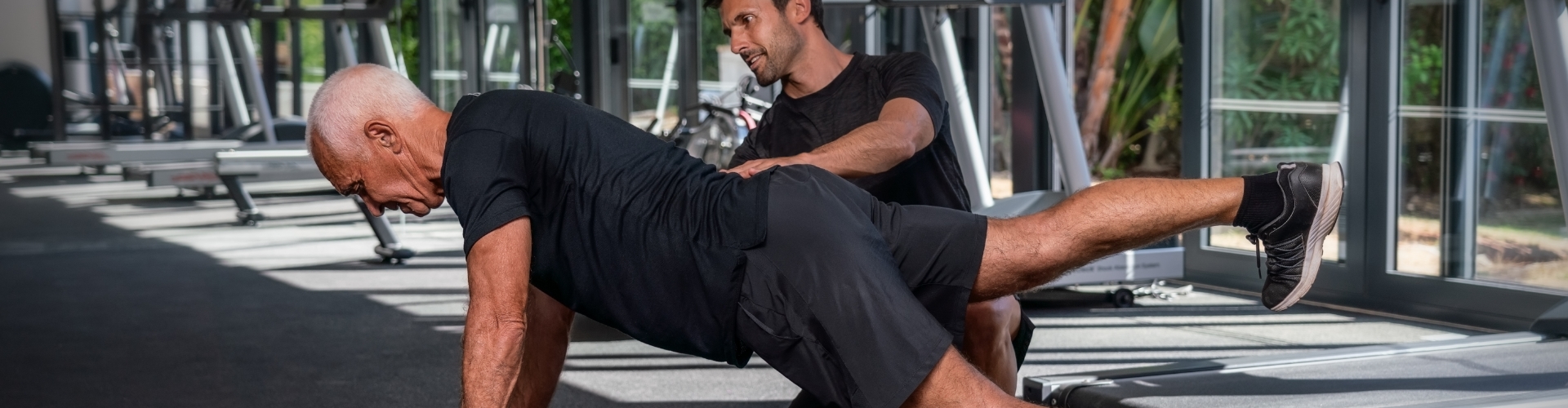
When Staying Steady Starts to Feel Uncertain
Balance and gait disorders can affect how confident people feel during everyday movement. Walking across a room, navigating stairs, standing up from a chair, or moving on uneven surfaces may feel less stable than expected. For some, movement becomes slower or more cautious. For others, it feels unpredictable.
People dealing with balance and gait disorders in Illinois often want to feel steadier, move more naturally, and stay independent during daily activities. Physical therapy helps address the movement and coordination issues that affect balance and walking.
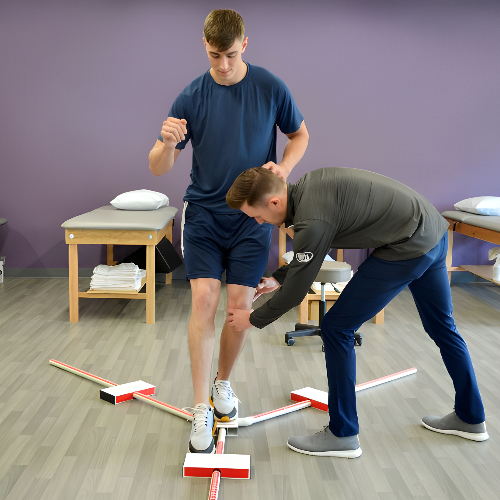
Why Balance and Gait Issues Matter
Balance and gait disorders can develop for many reasons. Changes in strength, joint mobility, posture, coordination, or previous injury can all influence how the body maintains stability during movement. Reduced activity levels, aging, or neurological conditions may also contribute.
When balance feels unreliable, people often limit movement without realizing it. Over time, this can reduce strength, endurance, and confidence. Addressing balance and gait concerns early supports safer movement, better coordination, and improved quality of life.
Relief does not mean eliminating every challenge. It means helping the body move with better control and predictability during everyday tasks.
Common Signs of Balance and Gait Disorders
People with balance or gait challenges may experience:
- Unsteadiness while walking
- Difficulty navigating stairs or uneven surfaces
- Slower walking speed
- A feeling of drifting or leaning while moving
- Trouble starting or stopping movement
- Reduced confidence during standing or turning
- Increased effort to maintain balance
- Fatigue during walking or standing
Symptoms vary based on individual movement patterns and underlying contributors.
How Movement-Focused Care Supports Stability
Care at IMPACT Physical Therapy & Sports Recovery centers on understanding how balance and walking challenges show up during real-life movement. Physical therapists evaluate posture, strength, coordination, and walking mechanics to identify contributing factors.
Approaches used to support balance and gait disorders may include:
- Targeted strength training to improve muscle support for standing and walking, helping improve stability
- Balance exercises that challenge coordination safely, supporting confidence during daily movement
- Gait training to address walking mechanics and improve efficiency with each step
- Postural control activities to help maintain upright positioning during movement
- Functional task practice focused on transitions such as standing, turning, and stair use
- Athletic training principles, when appropriate, to help active individuals return to higher-level movement with better control
Each approach is adjusted based on comfort, ability, and personal goals.
Care Guided by Skill and Individual Attention
We aimed to create a place where expert care meets genuine passion, and where every patient receives personalized, one-on-one attention in a warm and welcoming setting. At IMPACT Physical Therapy & Sports Recovery, physical therapy emphasizes thoughtful progression and clear communication.
We’ve grown with one purpose in mind: helping people get back to doing what they love using highly skilled manual techniques. This philosophy guides balance and gait care across Illinois, with a focus on consistency and patient connection.
Take the Next Step Toward Steadier Movement
If balance or walking challenges are affecting your confidence or independence, contact IMPACT Physical Therapy & Sports Recovery to request an appointment and learn how personalized physical therapy can help you move with greater control and stability.
Frequently Asked Questions About Balance and Gait Disorders
Can physical therapy help improve walking confidence?
What causes balance problems without pain?
Is balance training only for older adults?
We provide balance and gait disorder care in all of our clinics: Champaign, IL, Hinsdale, IL, Lakeview in Chicago, IL, Naperville, IL, Norridge in Chicago, IL, Oak Lawn, IL, Orland Park, IL and South Loop in Chicago, IL