
Whether you sit at a desk all day or lift heavy loads on a job site, work can place stress on the body. After an injury, surgery, or extended time off, it is important to approach the process with care. Planning for safe return to work recovery helps prevent setbacks, reduces pain, and improves confidence so you can meet the demands of your job without re-injury.
Understanding the Body’s Mechanics
The body works like a chain. Muscles, joints, and ligaments all move together to perform everyday tasks such as lifting, bending, or reaching overhead. When one part of the chain is weakened after an injury, the rest of the body often compensates. This can lead to pain in areas that were not originally injured. For example, after a knee injury, a worker may shift weight to the opposite leg, creating new hip or back strain. Recognizing these mechanics is essential for building strength and balance before returning to work.
Why Work-Related Problems Develop
Many injuries that lead to therapy are linked to repetitive strain, awkward postures, or heavy lifting. Sedentary jobs are not risk-free either. Sitting for hours can tighten hip flexors, weaken core muscles, and increase stress on the spine. Workers who return too quickly after injury often face reinjury because the body has not yet rebuilt strength and endurance. Taking time for structured return to work recovery helps reduce these risks.
Symptoms and Functional Limitations to Watch For
Common symptoms that interfere with safe work performance include:
- Persistent pain or swelling after activity
- Weakness in a joint or muscle group
- Limited mobility, making it hard to bend, twist, or reach overhead
- Fatigue during tasks that were once easy
- Difficulty lifting, carrying, or standing for extended periods
Ignoring these warning signs can delay healing and prolong time away from work.
Evidence-Based Physical Therapy Treatments
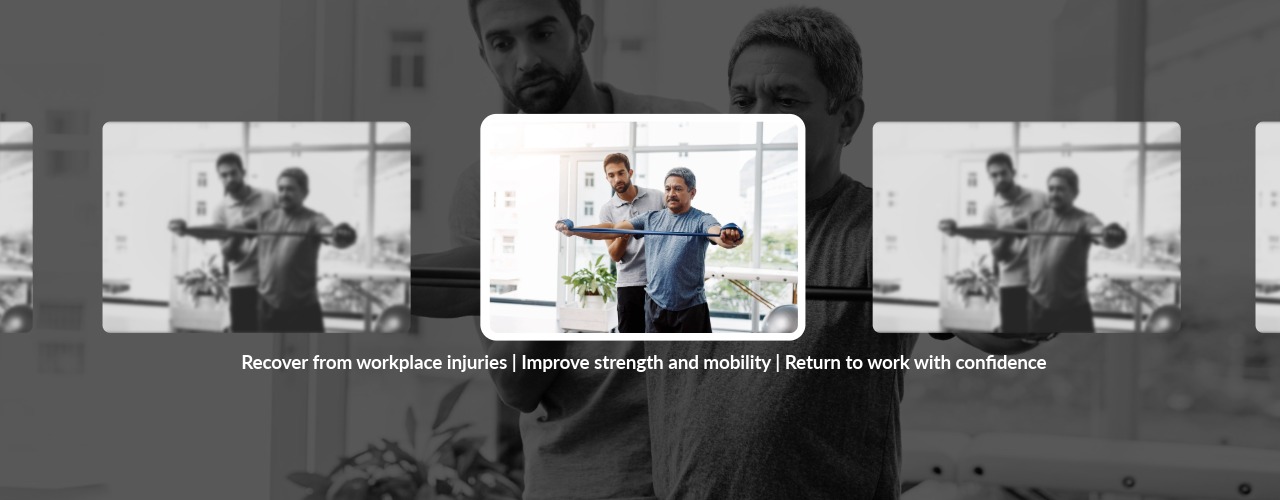
Physical therapy offers proven methods to help patients regain mobility and strength. A program designed for return to work recovery often includes:
- Manual therapy to reduce stiffness and improve joint mobility
- Progressive strengthening exercises targeting muscles that support work-related tasks
- Balance and coordination training to improve safety during lifting or climbing
- Task-specific simulations that prepare the body for job demands
- Education on ergonomics and body mechanics to reduce workplace strain
By combining these approaches, therapy not only addresses pain but also improves overall function. Patients leave therapy with greater confidence in their ability to handle the physical demands of their jobs.
Long-Term Strategies for Recovery and Prevention
Once you are back on the job, prevention becomes the priority. Strategies that support long-term success include:
- Maintaining a consistent home exercise program to keep muscles strong and flexible
- Practicing good posture while sitting, standing, and lifting
- Taking short breaks during repetitive tasks to reduce strain
- Using proper equipment or ergonomic supports at work
- Staying active outside of work to build overall endurance
With these strategies, patients reduce the risk of re-injury and improve overall resilience.
Recovery Does Not Mean Starting Over
Many patients worry that taking time off for healing sets them back permanently. The truth is that recovery builds a stronger foundation for the future. With therapy and consistent effort, patients often find they return to work with improved strength, awareness, and healthier movement habits.
Take the First Step Toward Safe Recovery
Returning to work after an injury requires more than just waiting for pain to subside. With a structured plan and professional guidance, patients build the strength, flexibility, and confidence they need to succeed. At IMPACT Physical Therapy & Sports Recovery, our therapists specialize in helping patients achieve safe and effective return to work recovery. Contact us today to schedule your evaluation and take the next step toward long-term success at work.